
(a) · Our story
Food is more than nourishment.
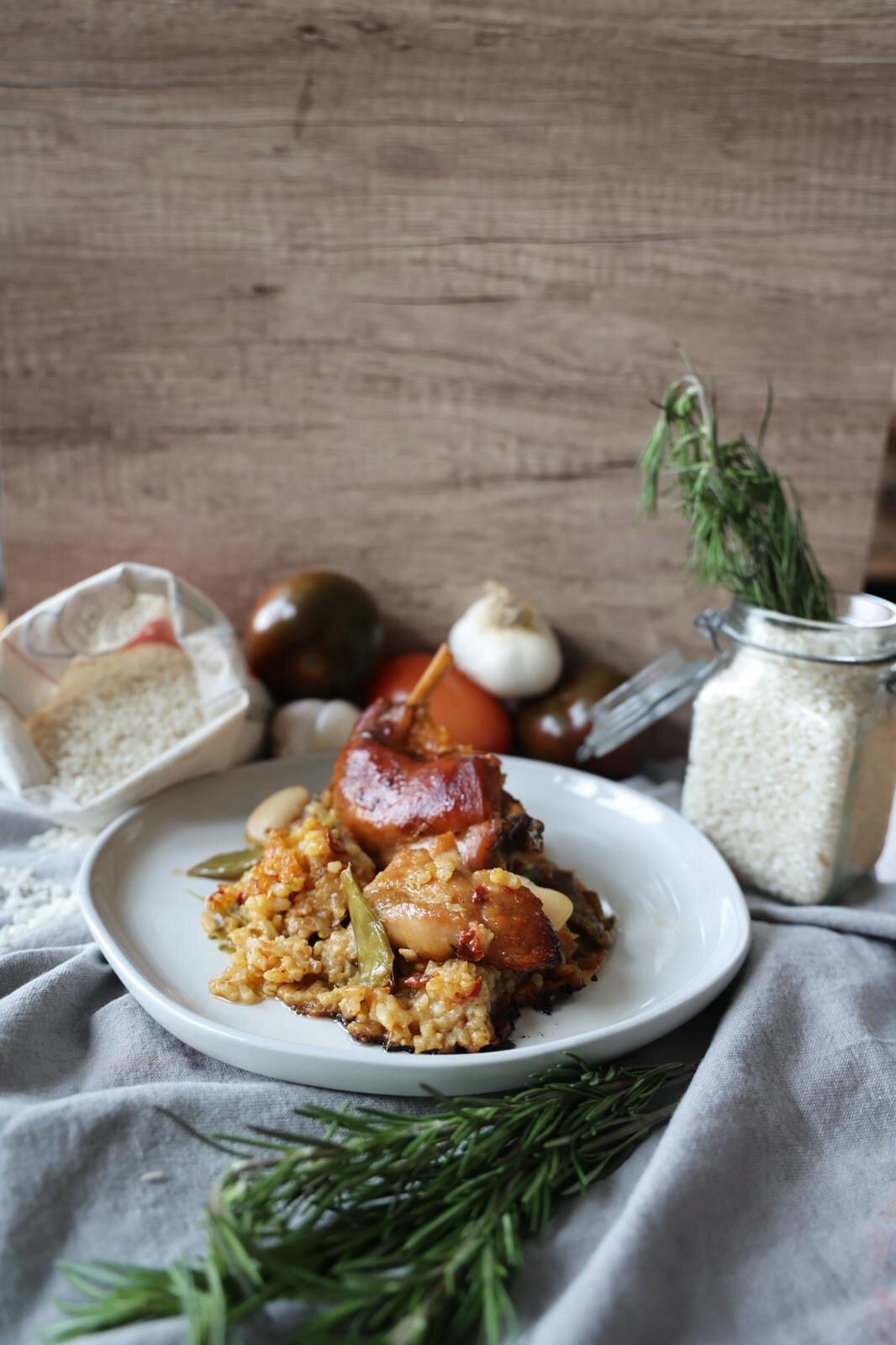
Photograph by Laura Somerville. Credits
Picture a kid coming home from history class. They've just spent a week on the Vietnam War: battles, casualties, a faraway place framed by conflict. That's often all a packed curriculum has room for. They walk away with a picture of a country that has almost nothing to do with the vibrant, living culture woven into their own city today.
Now picture that same family, that weekend, at a Vietnamese restaurant down the street. The owner explains why the pho broth simmers all night. Someone looks up where the dish comes from. Back home, they try the recipe together. The conversation keeps going. That's the gap The Culture Table was built to close.
Most of the neighborhood restaurants that make this possible are owned by immigrants: small businesses running on long hours and thin margins, with little left over for marketing. So we partner with them, and with food artisans, home cooks, farmers, culinary experts, and educators, to share the people, places, and histories behind the menu. Our goal is simple: more curious diners walking through their doors, and more understanding walking back out.
We want to bring these conversations to every table that matters: the kitchen table at home, the lunch table at school, and the conference table at work.
It's hard to hold onto a stereotype about someone once you've shared their grandmother's recipe.
Built on friendship
We didn't start as a board. We started as friends at a table.
Our team brings together a lifelong Bostonian, people who have made homes across continents, and a new generation of storytellers. Different first languages, different family recipes, different ideas of what "comfort food" even means.
Over years of meals, we traded stories: about the dishes we grew up on, the ones we had to learn, and the moments a plate of food made a new place feel like home. Somewhere along the way, those conversations turned into a deep friendship across cultures. The Culture Table is our way of passing that experience on.
We're not asking anyone to do something we haven't lived. We're inviting you to the same kind of table that changed us.
Why Boston
A city built by newcomers, and fed by them.
Massachusetts has always been a place of arrivals. People came with a suitcase, a recipe, and a hope, and the city was built one kitchen at a time. The neighborhoods still carry that: streets that turn from one language to the next, a Sunday dinner that works like a passport, and the feeling that nobody here is more than two generations from having arrived.
That's what makes this the right place for a table like ours. Here, cultures don't live far apart. They share a block, a train platform, a school pickup line. A single afternoon can take you across three continents, and proximity like that turns an ordinary meal into a way of actually meeting the people you live beside.
We're building and testing our model here first, in Boston and Massachusetts, so it can grow to other communities across the country.
Boston roots
We built our lives here.
There is a version of Boston that only shows up if you stay long enough. The corner store where someone already knows your order. The block party that spills into the street. The kitchen where the owner remembers what your mother used to make. None of us arrived with a plan to build a nonprofit here. We arrived, we stayed, and the place got into us.
What we have in common is simpler than any biography. We love this city. We are rooted in its neighborhoods and in the communities that hold them together. And we share one stubborn habit: following a smell down an unfamiliar street, ordering a dish we cannot pronounce, then asking the person who made it where it came from. That curiosity is the whole organization in one gesture.
So the work grew out of the place. We treat a shared meal the way we treat a good class: everyone arrives with something to teach, and nobody leaves with only what they came for.
Who we are
Majority women- and minority-owned and operated.
Most of the people who lead and run The Culture Table are women and people of color. That isn't a side note to our mission. It shapes which kitchens we spotlight, whose recipes we document, and how we show up in the neighborhoods we serve.
We hold the table open for the people who have always cooked, taught, and carried these traditions, and we make room for the next generation to do the same. If your community isn't in the story yet, we'd like to hear from you.