Q1
Culinary memory
How are recipes, techniques, and food rituals transmitted across generations in immigrant and heritage communities, and what is lost, adapted, or reinvented in that transfer?
(a) · Research & inquiry
(b) · Where we are
The Culture Table is a young organization. We know why we exist, and we are honest about not yet knowing the best shape the work should take. What a neighborhood actually needs is not something we can settle in advance, and we did not want to arrive with a finished plan and look for people to fit it.
So we are beginning by listening. We want to learn which stories families here feel are urgent to tell, what they hope is kept, and who should hold it. If our vision and what the community needs do not line up, we expect to change the vision. That is not a hole in the plan. It is the plan.
What we are aiming at is meant to outlast us: a lasting legacy of stories about food, culinary traditions, and cultural heritage, gathered now so a grandchild can find where they came from. A legacy like that is measured in generations, not in one year of programs, and it asks us to stay patient, careful, and close to the kitchens where these stories actually live.
Tell us what we have not thought to ask. A recipe, a name, a neighborhood we have not knocked on yet.
(c) · Why it matters
Every year, recipes and techniques disappear as elders pass, neighborhoods change, and family businesses close. Little of this knowledge is written down; much of it lives only in hands and conversation. We've seen it in our own families, and in the Boston kitchens we now cook in.
At the same time, shared meals remain one of the few everyday settings where people of different backgrounds meet as equals. Understanding how that works, and how to strengthen it, matters for education, public health, and civic life.
(d) · Guiding questions
Q1
How are recipes, techniques, and food rituals transmitted across generations in immigrant and heritage communities, and what is lost, adapted, or reinvented in that transfer?
Q2
How do neighborhood restaurants, markets, and shared meals function as sites of belonging, informal support, and contact between cultural groups?
Q3
Can structured food-and-story experiences in schools and community spaces measurably increase cultural curiosity, empathy, and reduced stereotyping?
Q4
What digital methods best preserve living culinary heritage while keeping ownership and interpretation in the hands of the communities who hold it?
Q5
How do farmers and farming communities shape what a culture eats, and how can farmers markets serve as meeting grounds between growers, cooks, and neighbors?
(e) · From soil to table
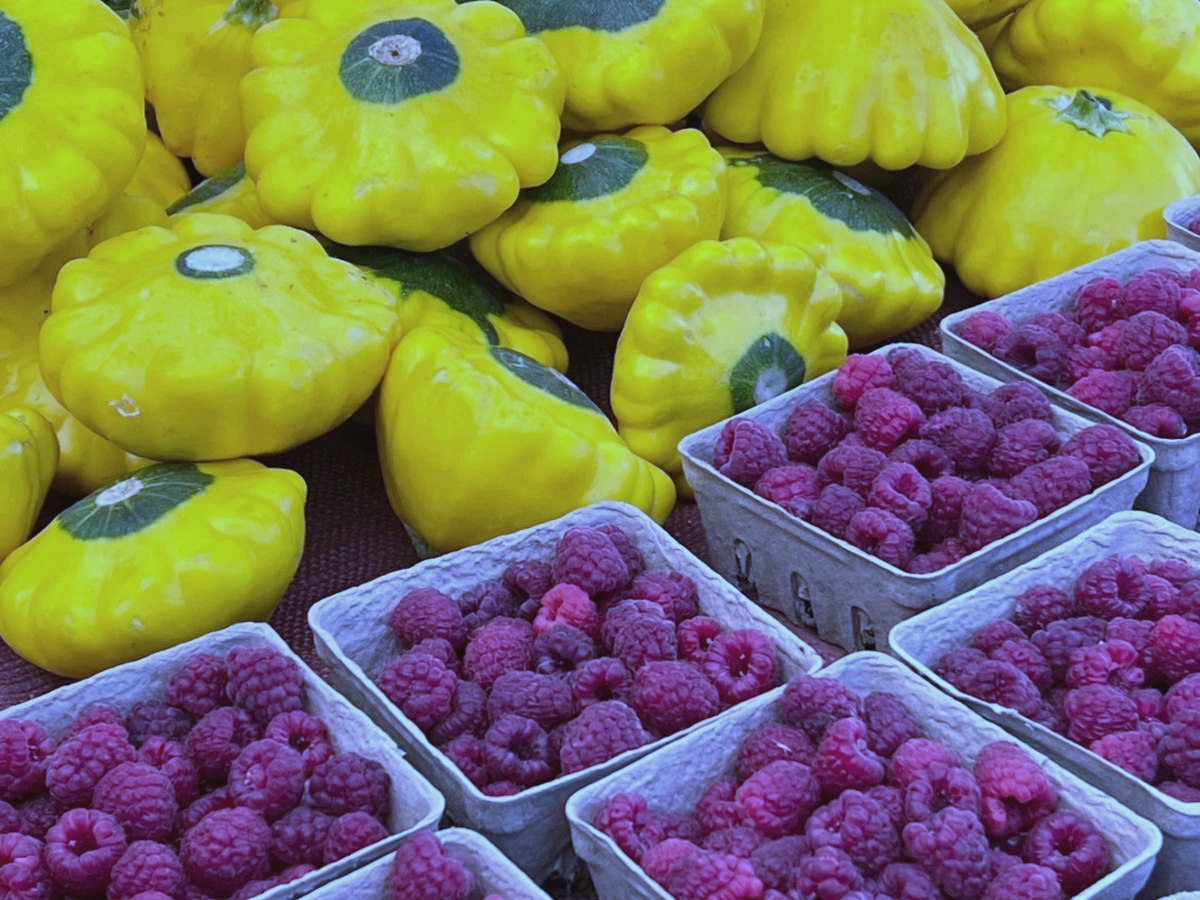
Every dish begins in a field. We envision working with farmers and farming communities: the people who grow the ingredients that carry a culture's flavors, and with the chefs and culinary experts who translate them for the table.
Farmers markets are where it all meets: growers, cooks, and neighbors in one open-air room. We see them as natural homes for our gatherings, story recordings, and research: a place where a question about a tomato can become a conversation about a life.
(f) · Approach
Recorded, consent-based interviews with home cooks, restaurant owners, food artisans, farmers and growers, and elders, transcribed and indexed for themes.
Community members co-design questions, take part in analysis, and review findings before anything is published.
Field notes and photography at markets, kitchens, and gatherings, documenting practice as well as narrative.
Pre- and post-participation surveys and reflective interviews to assess change in knowledge, attitudes, and connection.
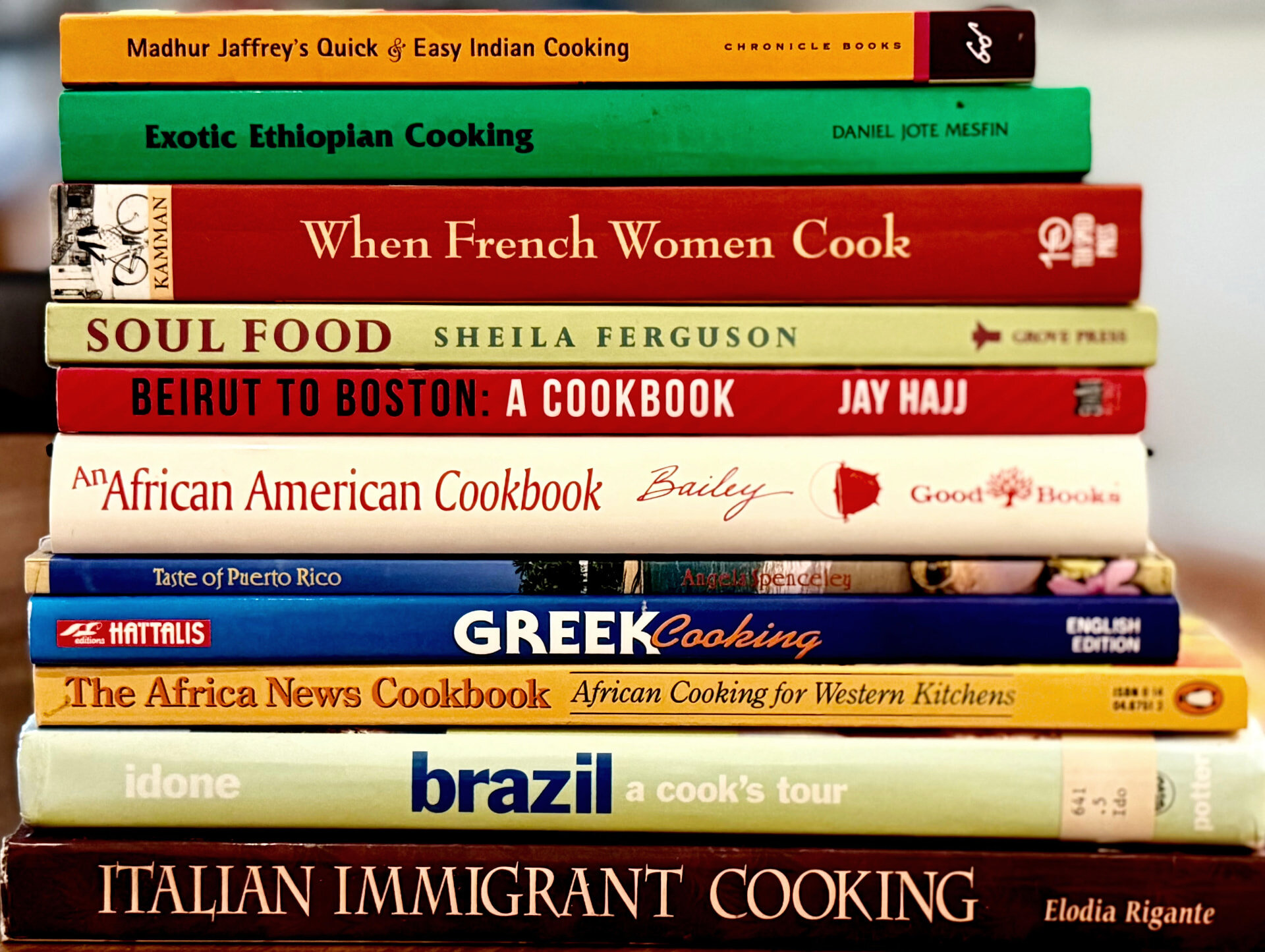
Cookbooks, family recipe cards, menus, and photographs analyzed as primary sources on migration and identity.
Metadata standards, open formats, and searchable collections so materials remain usable by scholars, educators, and families.
(g) · Ethics
(h) · What we produce
(i) · Collaborate
We welcome collaborations with universities, museums, libraries, school districts, and foundations, and with chefs and culinary experts, researchers, farmers and farming communities, and the farmers markets that bring them together. Our team brings more than three decades of experience in education, media, and community programming across Boston and Massachusetts, and deep relationships with the city's food communities. Our work sits at the intersection of:
The Culture Table is a registered 501(c)(3) public charity headquartered in Boston, Massachusetts.